Defence Infrastructure Organisation Raising minimum standards for Service family housing

Speak to an expert about your challenge

Related markets and services

We are working with the Defence Infrastructure Organisation (DIO) to raise the minimum standards of military housing across the UK.

At a glance

  • Over 400 homes completed by 31st December 2025, with around 250 additional homes completing in 2026
  • Homes selected based on families experiencing high utility bills and cover 15 sites across Central and North regions, including Northern Ireland
  • Upgrades include new heating systems, insulation, full internal refurbishments and where possible, energy-efficient technologies
  • Families engaged throughout, with choices in kitchen finishes and layout changes for open-plan living
  • Biodiversity initiatives such as bat boxes, insect hotels, hedgehog habitats, new fencing, and garage upgrades enhance sustainability and kerb appeal

Key metrics

  • 66

    Air Source Heat Pumps (ASHPs)

  • 150

    solar panels

  • 150

    battery storage units

Through this ambitious programme, we are leading the delivery of significant home upgrades for almost 700 military families across the Central and North regions, fulfilling the Government’s promise to enhance Forces accommodation and directly supporting the pledges made in the Consumer Charter, launched in April 2025.
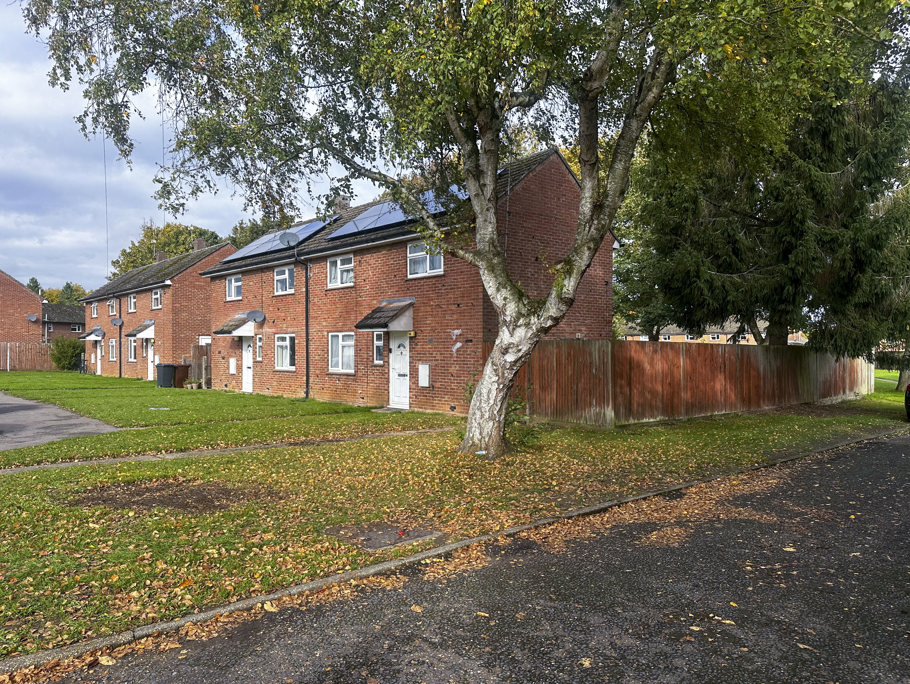
Some Service family accommodation was showing signs of wear, driving higher energy use.

The challenge

Service family accommodation across the UK has been housing military families for many years, meaning some properties were naturally beginning to show signs of wear, such as unreliable boilers, leaky roofs, and ageing electrics and plumbing. These factors contributed to higher energy use and made it harder for families to maintain consistent comfort, particularly during colder months.

In response, the Government committed a record £1.5 billion investment to accelerate improvements to the quality and energy performance of military housing. The challenge for Amey was to deliver high‑quality, safe, and efficient upgrades at scale and pace, while minimising disruption for families remaining in their homes.

Meeting this ambition required close collaboration with the Defence Infrastructure Organisation, proactive engagement with families, and careful coordination with suppliers to manage logistical and welfare considerations. The programme also needed to meet ambitious year‑end targets to refurbish a significant proportion of the 1,000 homes identified, much of it during the demanding winter period.

At the heart of the challenge was the need to deliver tailored, impactful improvements that addressed the drivers of high energy costs. Modern heating systems, enhanced insulation, and advanced energy‑saving technologies were essential to creating warmer, greener, and more cost‑efficient homes, directly enhancing comfort, wellbeing, and long‑term sustainability for Service families.

We partnered with the DIO to deliver family-focused, collaborative, and responsive improvements.

The approach

Our approach was family-focused, collaborative, and responsive, and improvements were delivered safely, efficiently, and with minimal disruption.

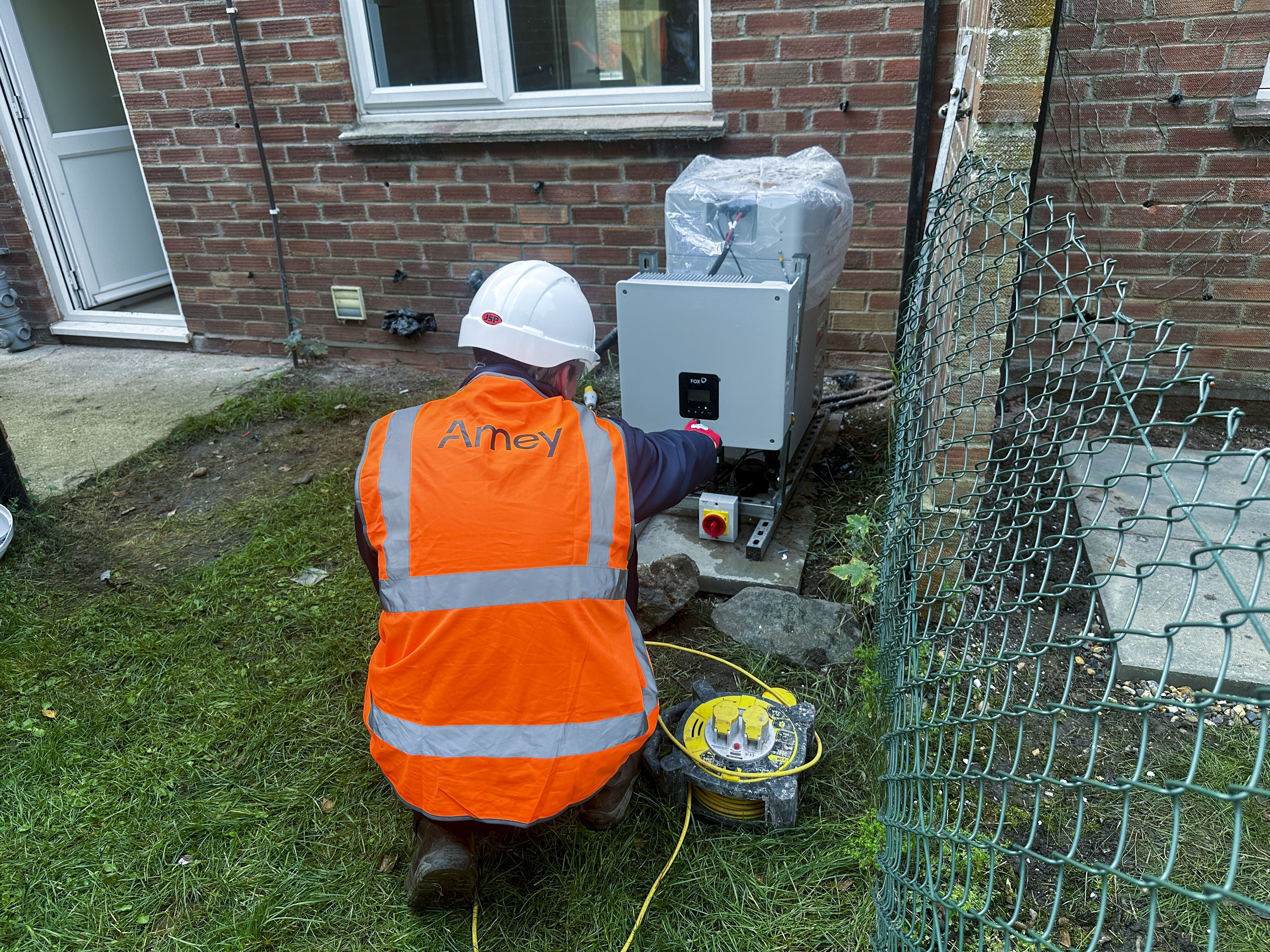
A comprehensive programme of works was tailored to each property’s requirements and addressed high energy costs. Upgrades include new heating systems, improved insulation, roof repairs and where possible, the introduction of energy efficient technologies like air source heat pumps, solar panels and battery storage.

In addition, homes also benefitted from modernised electrics and plumbing, and full internal refurbishments such as new kitchens, bathrooms, flooring, windows, and doors.

The delivery model was carefully structured to minimise disruption for families, offering welfare housing options for those who need quieter environments and maintaining regular communication through drop-in sessions and ongoing engagement.

The team utilised its experience in rapid mobilisation, agile project management, and supply chain coordination to deliver high-quality results at pace, proactively anticipating and planning for the increased challenges and demands of the winter season.

Sustainability was embedded throughout, with energy-efficient technologies used to reduce carbon emissions and lower energy bills. Above all, the collaborative partnership with DIO and ongoing engagement with Service families ensures that the upgrades are meaningful, tailored, and delivered with care.

Our team partnered closely with the DIO to deliver energy-saving upgrades to Service family housing.

We have transformed hundreds of Service family homes, with noted reductions in energy bills.

The outcome

While the programme is ongoing, the impact is already clear. Hundreds of military families have seen their homes transformed, becoming warmer, more energy-efficient, and more affordable to run. Early feedback highlights the positive difference made, not only in reduced energy bills but also in comfort, wellbeing, and pride in their homes. 

Families are given the opportunity to personalise their homes by choosing the finishes in their kitchens, including a selection of colours and styles, ensuring the upgrades reflected their individual preferences and tastes. In addition, where families expressed a desire for open plan living, structural changes have been made to the layout of homes, such as reconfiguring spaces and installing steel beams, to create modern, flexible living areas that better suit contemporary family life.

This collaborative, responsive approach not only improves the quality and comfort of the accommodation but also empowers families to shape their living environment, fostering a sense of ownership and satisfaction. By listening to and acting on the needs of families, we’re delivering a programme that goes beyond standard refurbishment, creating homes that truly meet the expectations and lifestyles of today’s Service families.

In addition to the core refurbishment works, there is a strong focus on environmental sustainability. Across several sites, a range of initiatives have been introduced to enhance local biodiversity and create greener, more welcoming communities. These include installing bat boxes, insect hotels, and hedgehog habitats, helping to protect native wildlife and promote a healthier, more sustainable environment around the properties.

Kerb appeal has also been a priority, with upgrades such as new fencing and the refurbishment of garages enhancing both the appearance and functionality of family homes. These improvements not only contribute to a safer and more attractive living environment but also foster a sense of pride and wellbeing among families. By integrating sustainability and community-focused enhancements alongside essential repairs and upgrades, we’re delivering a programme that benefits families, the client, and the wider environment.

Speak to an expert about your challenge.